
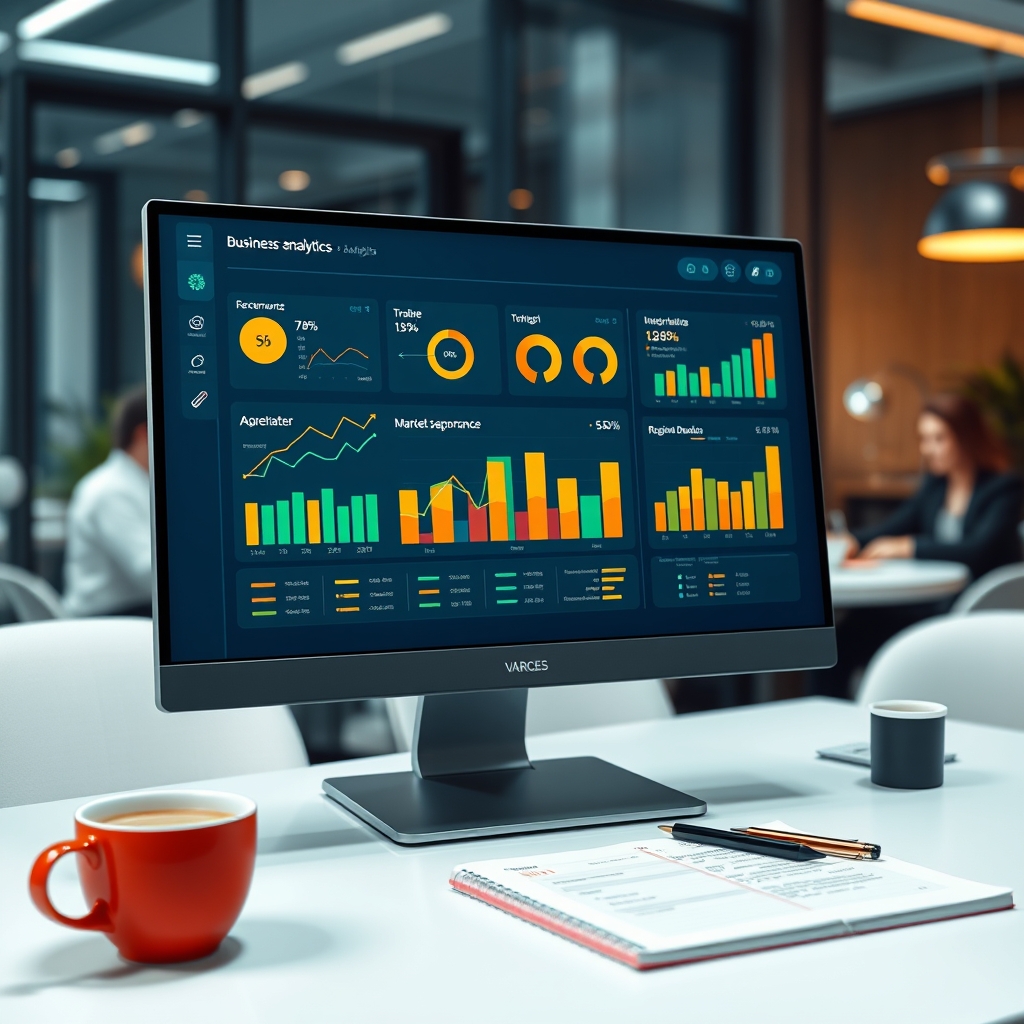
In today’s hyper-competitive market, businesses that fail to harness the power of their sales data risk falling behind. Sales data isn’t just a collection of numbers—it’s a goldmine of insights that can drive strategic decisions, optimize performance, and ultimately boost revenue. Yet, many organizations struggle to move beyond basic reporting, missing out on the transformative potential of their data. The key lies in not just collecting sales data, but in interpreting it with precision and acting on it with agility.
The Hidden Value in Sales Data
Sales data encompasses more than just transaction records. It includes customer behavior, purchase patterns, sales cycle lengths, conversion rates, and even external factors like market trends and competitor activity. When analyzed holistically, this data reveals opportunities that might otherwise go unnoticed. For instance, a sudden spike in demand for a specific product in a particular region could signal an emerging trend, allowing businesses to adjust inventory or marketing strategies proactively.
However, the real challenge isn’t gathering the data—it’s making sense of it. Many companies drown in spreadsheets and dashboards, overwhelmed by the sheer volume of information. The solution? Implementing a structured approach to data analysis that focuses on actionable insights rather than just metrics. Tools like CRM systems, business intelligence platforms, and predictive analytics software can help distill complex data into clear, actionable strategies.
Turning Insights into Action
One of the most powerful ways to leverage sales data is through predictive analytics. By analyzing historical sales trends, businesses can forecast future demand with remarkable accuracy. This enables better inventory management, reducing the risk of overstocking or stockouts, which can erode profits. For example, a retail chain might use sales data to predict which products will be in high demand during the holiday season, allowing them to allocate resources efficiently and avoid lost sales due to shortages.
Sales data also plays a crucial role in personalizing the customer experience. By tracking purchase history and customer interactions, businesses can tailor their marketing efforts to individual preferences. This not only increases conversion rates but also fosters customer loyalty. Imagine a scenario where an e-commerce platform uses sales data to recommend products based on a customer’s past purchases and browsing behavior. The result? Higher engagement, repeat purchases, and a stronger bottom line.
Overcoming Common Pitfalls
Despite its potential, many businesses struggle to effectively utilize sales data due to common pitfalls. One of the biggest mistakes is siloed data—where information is scattered across different departments or systems, making it difficult to gain a unified view. To overcome this, companies need to invest in integrated data solutions that consolidate information from various sources, providing a single source of truth.
Another challenge is the lack of data literacy among teams. Sales data is only as valuable as the people who interpret it. Training employees to understand and analyze data empowers them to make informed decisions, whether it’s adjusting sales tactics, refining marketing campaigns, or identifying new market opportunities. A well-informed team can turn raw data into a competitive advantage.
The Role of Technology in Sales Data Analysis
Advancements in technology have revolutionized how businesses analyze sales data. Artificial intelligence (AI) and machine learning (ML) are now being used to uncover patterns and trends that would be impossible to detect manually. For instance, AI-powered tools can analyze thousands of customer interactions in real-time, identifying subtle shifts in behavior that could indicate a change in market dynamics. This level of insight allows businesses to respond swiftly, staying ahead of the competition.
Cloud-based analytics platforms have also made it easier for businesses of all sizes to access powerful data tools. These platforms offer scalability, allowing companies to start small and expand their data capabilities as they grow. With real-time dashboards and customizable reports, businesses can monitor key performance indicators (KPIs) and adjust their strategies on the fly.
Measuring Success: Key Metrics to Track
Not all sales data is created equal. To maximize its impact, businesses should focus on tracking the right metrics. Some of the most critical include:
- Conversion Rate: The percentage of leads that turn into paying customers. A low conversion rate might indicate issues with the sales process or targeting.
- Average Purchase Value: The average amount spent by customers per transaction. Increasing this metric can significantly boost revenue without acquiring new customers.
- Sales Cycle Length: The time it takes to close a deal. Shortening the sales cycle can improve cash flow and efficiency.
- Customer Lifetime Value (CLV): The total revenue a business can expect from a single customer over time. Focusing on CLV helps prioritize long-term relationships over short-term gains.
- Churn Rate: The percentage of customers who stop doing business with a company. Reducing churn is often more cost-effective than acquiring new customers.
By tracking these metrics, businesses can identify strengths, pinpoint weaknesses, and refine their strategies for better results. The goal isn’t just to collect data, but to use it as a compass that guides every decision.
Sales data is more than just a record of past transactions—it’s a roadmap to future success. Businesses that embrace data-driven decision-making are better equipped to navigate challenges, seize opportunities, and stay ahead in an ever-evolving market. The question isn’t whether to use sales data, but how effectively it can be transformed into a catalyst for growth. Those who master this art will not only survive but thrive in the competitive landscape, turning raw numbers into meaningful revenue and sustainable success.